Preventive Health Training for a Growing Tri-City Childcare Community
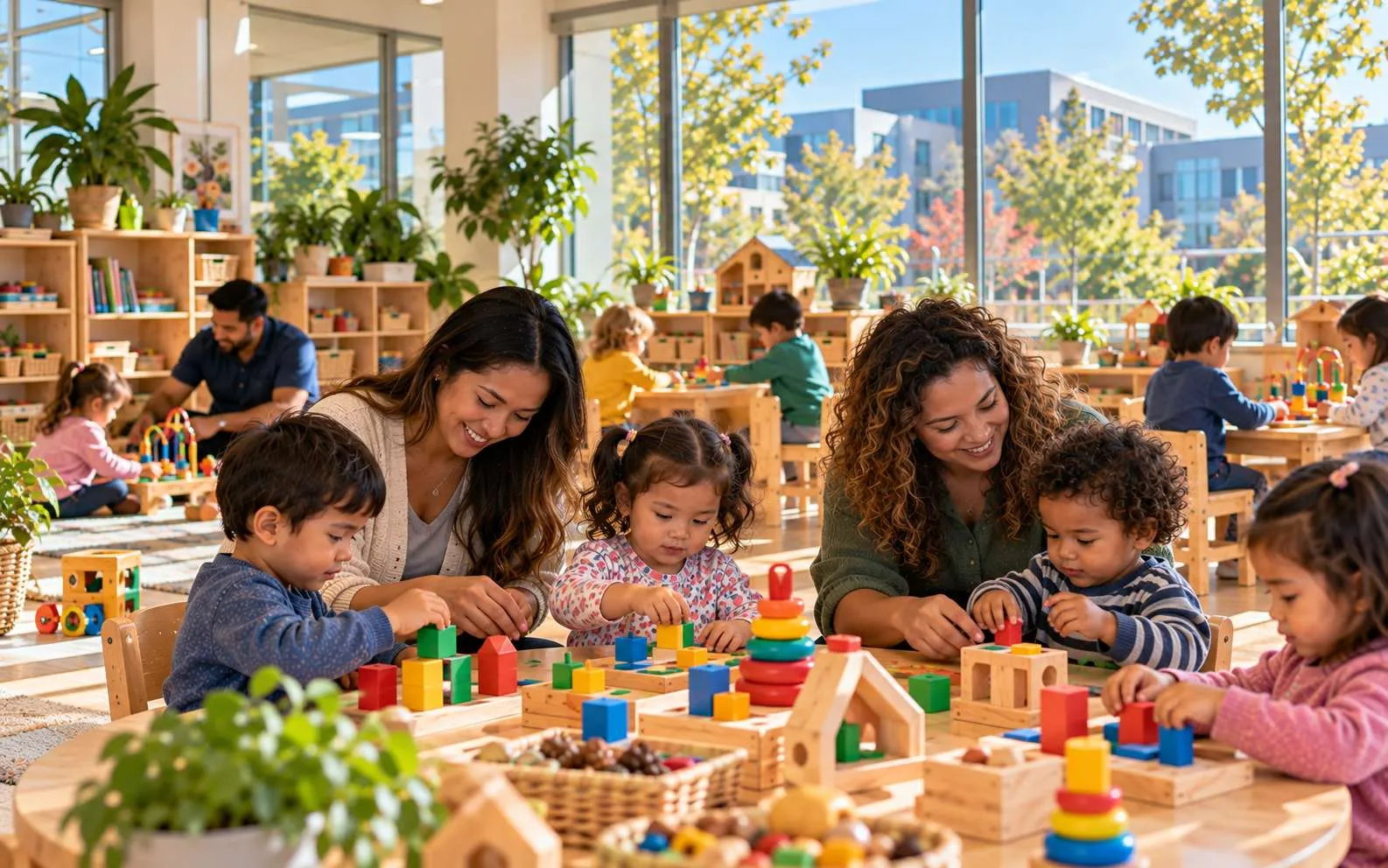
Fremont is the largest city in the Tri-City area, which also includes Newark and Union City. Childcare here serves a wide range of neighborhoods, from Niles and Centerville to Irvington, Mission San Jose, Warm Springs, and Ardenwood. Many households have two working parents commuting along I-880 or I-680, so families rely on licensed home-based programs, preschools, and full-day centers.
Fremont families come from many cultural and language backgrounds. That diversity shows up in daily childcare work: different family food traditions, vegetarian and religious diets, multilingual communication with parents, and varied expectations around health routines. Preventive health training gives Fremont providers a shared, state-recognized foundation for handling those conversations consistently.
Understanding the EMSA Preventive Health and Safety Course
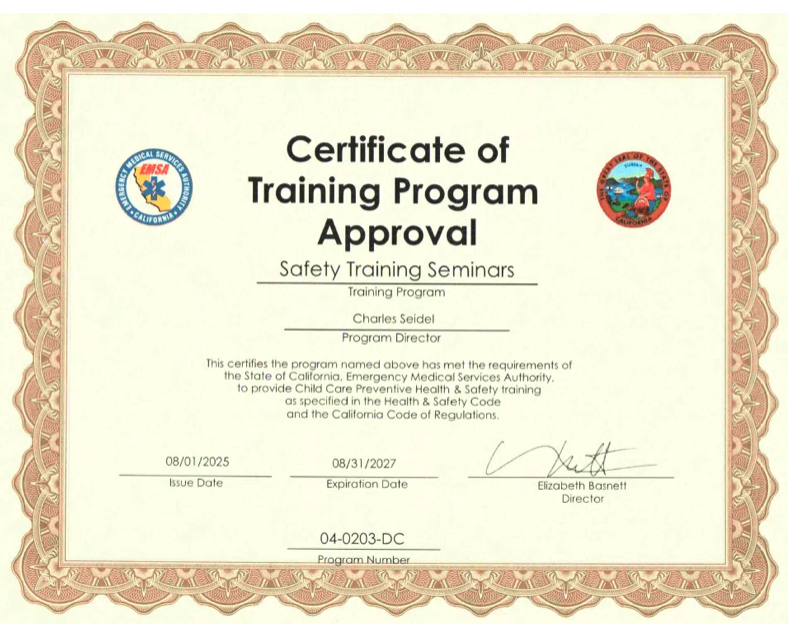
The California Emergency Medical Services Authority (EMSA) approves the training programs that childcare providers use to meet state health and safety training standards. EMSA approves two separate types of childcare training:
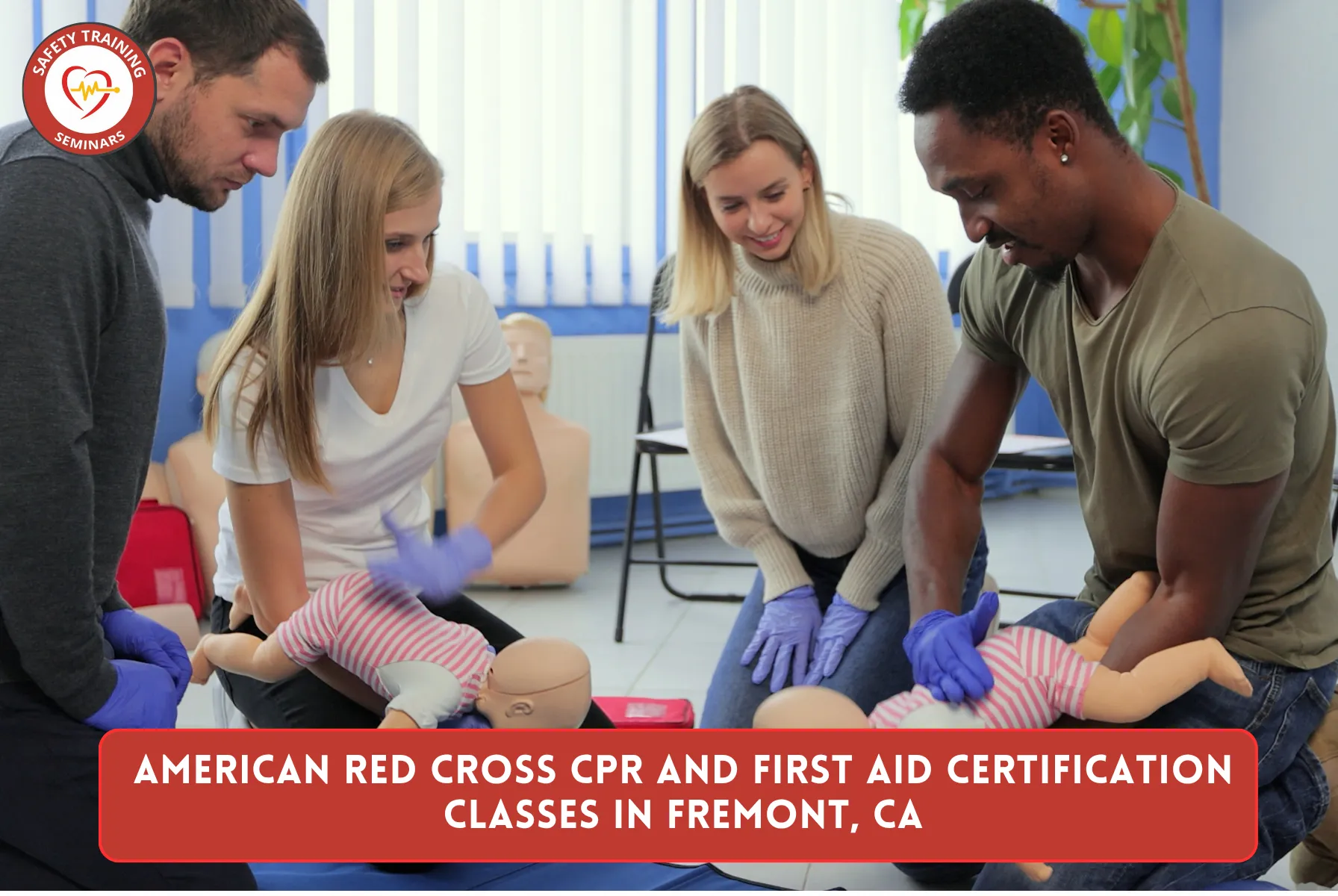
- Pediatric CPR and First Aid. Hands-on emergency response skills
- Preventive Health Practices. Classroom education on keeping children healthy and safe day to day
The EMSA Preventive Health and Safety Course belongs to the second category. Safety Training Seminars lists the course as EMSA Health, Safety, Nutrition, and Lead Poisoning (AB-243), and its course page describes it as eight hours under EMSA guidelines. Safety Training Seminars describes itself as an EMSA-licensed childcare training provider in California, and it also offers EMSA Pediatric First Aid and CPR.
How the Course Relates to California Childcare Licensing
Childcare licensing in California is handled by the California Department of Social Services through its Community Care Licensing Division. Community Care Licensing oversees both Family Child Care Homes and Child Care Centers, and training expectations differ between them.
Under the general framework, first-time childcare licensees complete 16 hours of EMSA-approved training: 8 hours of Preventive Health Practices and 8 hours of Pediatric CPR and First Aid. Pediatric CPR and First Aid certification must be renewed on a regular cycle. The preventive health portion has generally not required renewal.
What applies to you depends on your facility type, your role (licensee, director, or teacher), your employer, and current regulations. A teacher joining an established center in Warm Springs may face different expectations than someone applying to open a family child care home in Centerville. Confirm your requirements with Community Care Licensing before you enroll. This page offers general guidance only, not regulatory advice.
Inside the Course: Practical Topics for Fremont Providers
Topic | What It Means in Daily Childcare |
Infection control | Handwashing routines, sanitizing toys and surfaces, and knowing when symptoms mean a child should go home |
Immunization records | Understanding California immunization requirements and keeping accurate records |
Environmental sanitation | Keeping kitchens, diapering stations, and toilet areas separate and clean |
Air quality | Ventilation, safe cleaning products, and indoor plans on poor-air days |
Injury prevention | Room layouts, safe equipment, and supervision habits |
Nutrition | Age-appropriate meals, allergies, and specialized diets |
Lead poisoning prevention | Recognizing sources of lead and reducing children’s exposure |
Diapering and food preparation are a good example of why this matters. In a busy infant room, a provider may change a diaper and prepare a bottle within the same few minutes. Preventive health training explains why those two areas need separate surfaces, separate handwashing steps, and set cleaning routines. Small habits like these keep stomach illnesses from spreading through a group.
Air quality is relevant for Fremont providers too. Bay Area wildfire smoke events sometimes force programs to keep children indoors. Knowing how ventilation, cleaning chemicals, and indoor activity plans affect children’s breathing is part of a preventive approach.
Lead Poisoning Prevention: Why It Belongs in Childcare Training
California added lead poisoning prevention to childcare health and safety training because young children face the greatest risk from lead exposure. Children under six absorb lead more readily than adults, and toddlers constantly put hands and objects in their mouths. Lead exposure has been linked to effects on learning, attention, and behavior, often without obvious early symptoms.
For Fremont childcare providers, the lessons are practical. Lead can come from deteriorating paint in older homes and buildings, contaminated soil, some imported toys, cosmetics, spices, ceramics, and folk remedies. Programs that serve families with ties to many countries benefit from knowing that some imported products carry lead risks.
The course also covers prevention habits: wet-cleaning dust, washing hands before meals, checking toys against recall notices, and serving foods rich in calcium, iron, and vitamin C. Providers also learn to encourage parents to ask their child’s doctor about blood lead testing. Testing and diagnosis stay with healthcare providers.
Nutrition and Children’s Health in Fremont Childcare Programs
Childcare nutrition training is part of the Preventive Health Practices course. Fremont providers often feed children from households with very different eating patterns, so the nutrition material applies directly.
Common situations include:
- Food allergies. Peanut, tree nut, dairy, egg, and other allergies require careful label reading, cross-contact prevention, and clear communication with families.
- Specialized diets. Vegetarian, religious, and cultural food practices are common in Fremont programs and need respectful, consistent handling.
- Diabetes. Children with diabetes need predictable meal timing and coordination with the family’s care plan.
- Feeding and growth concerns. Providers learn to notice feeding patterns worth discussing with parents without diagnosing.
- Dental health. Limiting sugary drinks and avoiding bedtime bottles helps prevent early tooth decay.
- Meal planning. Building balanced, age-appropriate menus for infants, toddlers, and preschoolers.
Fremont’s healthcare community pays attention to early nutrition. Washington Hospital on Mowry Avenue has received the Baby-Friendly designation, which reflects support for infant feeding practices. Kaiser Permanente Fremont Medical Center also serves many local families. Childcare providers aren’t part of those clinical systems, but preventive health training helps them follow families’ feeding plans and know when to refer parents back to their child’s healthcare provider.
Who Takes Preventive Health Training in Fremont?
The course is most directly relevant to:
- People applying for a Family Child Care Home license in Fremont or elsewhere in Alameda County
- Directors and teachers at licensed Child Care Centers
- Preschool staff whose employers ask for EMSA training
- Early childhood education students preparing to work in licensed programs
Ohlone College, with its main campus on Mission Boulevard and a second campus in Newark, offers Early Childhood Studies coursework. Students in that program may find the EMSA Preventive Health course a practical addition before they enter licensed classrooms. Fremont is also home to many established preschool and child development programs, including several Kidango centers, which reflects how much local demand there is for trained early childhood staff.
Training Access From Newark, Union City, and Milpitas
The Fremont training center sits in the I-880 corridor, which makes it accessible beyond Fremont’s city limits. Childcare professionals from Newark, Union City, Hayward, Milpitas, Sunol, and north San Jose may consider the Fremont location when looking for EMSA training near Fremont.
Registering With Safety Training Seminars in Fremont
Safety Training Seminars runs its Fremont training center at:Safety Training Seminars Fremont Training Center : 42808 Christy St, Ste. 104, Fremont, CA 94538
The Fremont center also offers CPR, BLS, First Aid, ACLS, and PALS courses. That makes it a practical place to complete both halves of the 16-hour requirement. Before you register:
Starting Your Childcare Health Training in Fremont
Fremont childcare providers serve families from Niles to Warm Springs, each with their own diets, health needs, and expectations. EMSA Childcare Health & Safety Certification gives providers a practical framework for infection control, nutrition, sanitation, and lead poisoning prevention that they can use every day. Once you’ve confirmed your licensing requirements, visit Safety Training Seminars’ course page to choose an EMSA Preventive Health and Safety class at the Fremont training center.