Situated along the eastern shore of the San Francisco Bay, Fremont is a dynamic city where bustling tech sectors, growing residential neighborhoods, local schools, and manufacturing hubs converge. Because daily life here involves everything from active community centers and busy school districts to high-tech corporate campuses and bustling retail centers, being prepared for unexpected medical emergencies is a practical priority. Whether you live near Mission San Jose, commute along Interstate 880, or work in a local administrative office, knowing how to respond during a crisis can make a meaningful difference.
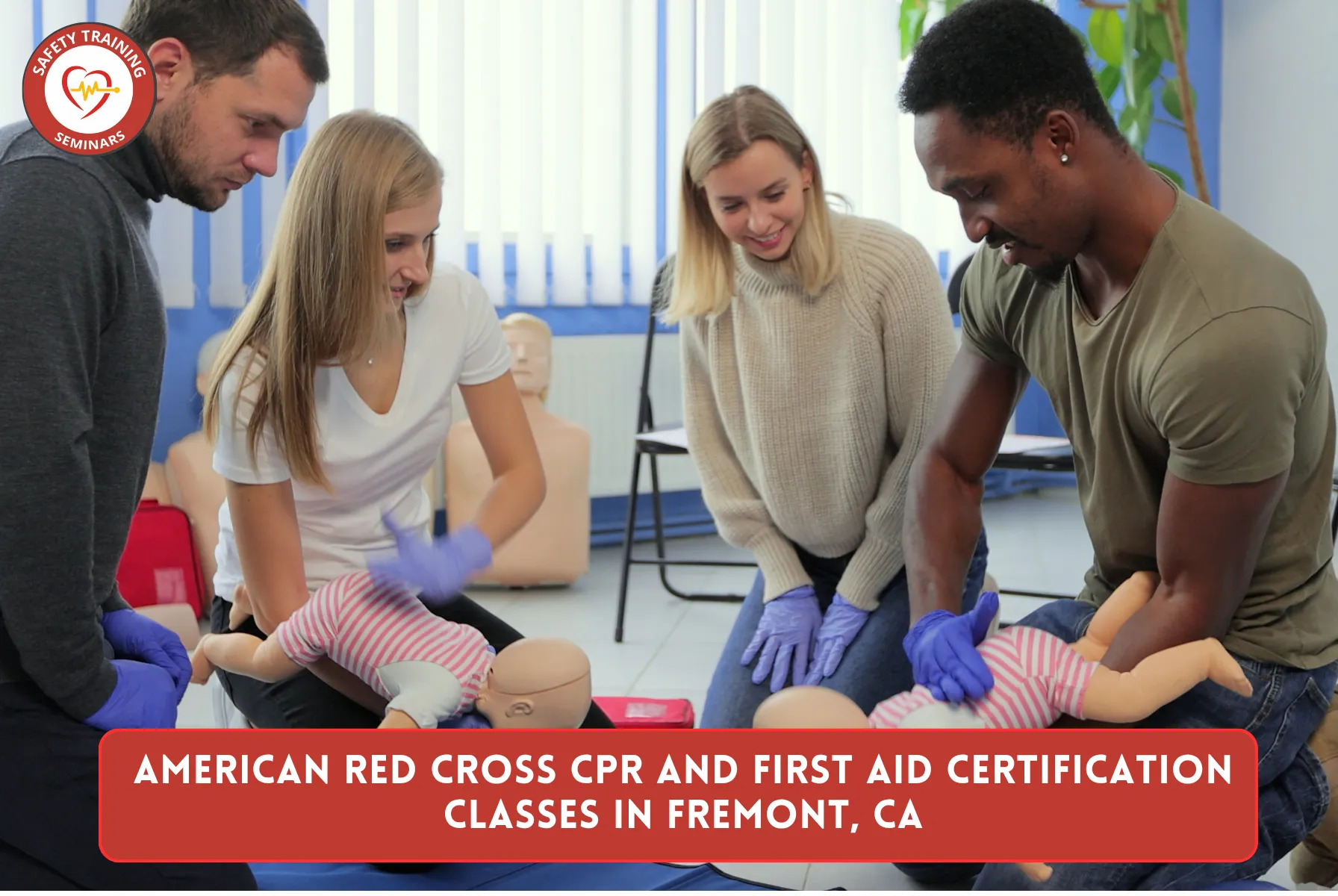
For residents, educators, fitness instructors, and local workers looking to build practical emergency response skills, enrolling in American Red Cross CPR and First Aid certification classes in Fremont offers a structured way to gain confidence. These courses cover essential life-saving techniques, from managing sudden cardiac arrest to treating everyday workplace injuries. By understanding what these programs entail and how to choose the right curriculum, you can meet professional standards while equipping yourself to assist others safely.
Quick Answer / Key Takeaway
Individuals searching for training in the area can explore options for CPR and First Aid classes in Fremont designed to satisfy workplace compliance, school prerequisites, childcare licensing, or personal preparedness goals. Programs range from basic adult CPR to comprehensive multi-topic certifications incorporating automated external defibrillator (AED) training.
What Are American Red Cross CPR and First Aid Classes?
Emergency response education is generally divided into two complementary skill sets: cardiopulmonary resuscitation (CPR) and First Aid. While they are frequently taught together, each addresses distinct types of medical emergencies.
- CPR Training: Focuses on restoring blood flow to the heart and brain when a person experiences sudden cardiac arrest. Participants learn chest compressions, rescue breaths, and how to utilize an AED.
- First Aid Training: Prepares responders to manage non-cardiac medical incidents, such as severe bleeding, burns, fractures, allergic reactions, and sudden illnesses.
- AED Integration: Automated external defibrillators are portable devices that analyze heart rhythms and deliver an electric shock if necessary. AED training teaches learners how to safely operate these devices alongside chest compressions.
Understanding these fundamentals helps learners realize why hands-on practice is so valuable. Physical training allows participants to build muscle memory using manikins and practice proper technique under the guidance of an instructor. Before registering, students should always verify specific requirements with their employer, school administrator, or licensing board to ensure the chosen format meets their exact needs.
CPR Training in Fremont
Cardiopulmonary emergencies can happen anywhere, whether at a local community park, a crowded shopping plaza, or an indoor workplace. Structured CPR training equips everyday citizens and professionals with the tools to act decisively. Depending on the specific curriculum chosen, courses may cover:
- Adult, Child, and Infant CPR: Techniques vary depending on the age and size of the patient, requiring specific hand placement and compression depths.
- Choking Relief: Managing blocked airways in responsive and unresponsive victims of various ages.
- Team Dynamics: Coordinated response strategies often utilized in professional workplace settings.
For many workers across the East Bay, completing a hands-on session is essential for workplace compliance. Local office environments, construction sites, and retail establishments often designate specific employees to serve as primary emergency responders. Selecting the right class ensures participants gain relevant competency for their specific environment.
First Aid and AED Training in Fremont
While CPR addresses sudden cardiac arrest, First Aid training covers a much wider array of unexpected health incidents. In active community environments like Fremont—where youth sports leagues, fitness clubs, schools, and outdoor recreational areas are common—knowing how to handle physical trauma is invaluable.
First Aid courses typically instruct participants on how to recognize and treat:
- Severe bleeding and wound care
- Sprains, strains, and suspected fractures
- Environmental emergencies like heat exhaustion or hypothermia
- Sudden medical events such as diabetic emergencies, seizures, or severe allergic reactions using epinephrine auto-injectors
When paired with AED instruction, First Aid training creates a comprehensive safety net. For teachers, coaches, and hospitality staff, having this background ensures a prompt, organized response before professional emergency medical services arrive.
Who Typically Takes These Classes?
Emergency response training attracts a diverse group of learners across the city. Different vocations and lifestyle roles require distinct levels of preparation:
- Teachers and Childcare Providers: Preschool staff, daycare workers, and K-12 educators frequently take combined courses to meet state licensing mandates and ensure the safety of children in their care.
- Fitness Professionals and Coaches: Personal trainers, gym staff, and youth sports leaders maintain active certification to handle athletic injuries or cardiac events during physical activity.
- Workplace Employees: Industrial workers, administrative personnel, and office safety committees complete training to satisfy OSHA guidelines or internal corporate safety policies.
- Parents and Family Caregivers: Individuals looking after aging relatives or young children often take classes for peace of mind in domestic settings.
- Students: High school and college students pursuing careers in healthcare, social work, or education often need documented certification prior to beginning clinical rotations or internships.
How to Choose the Right Course
Selecting an appropriate training program depends on your professional obligations and personal goals. Reviewing standard course categories can help clarify your options:
| Training Type | Typical Focus | Common Applications |
| CPR | Cardiac arrest response and chest compressions | General workplace safety, personal preparedness |
| First Aid | Managing injuries, bleeding, and sudden illnesses | Community volunteers, outdoor staff, general workplaces |
| CPR/AED | Combined chest compressions and defibrillator use | Fitness centers, corporate offices, public venues |
| First Aid/CPR/AED | Comprehensive emergency response education | Teachers, childcare workers, coaches, designated safety personnel |
Because prerequisites vary widely, always confirm your required course type with your supervisor, human resources department, or regulatory agency before booking.
Local Fremont Training Considerations
Fremont spans a unique geographic area bordered by Newark, Union City, and the Diablo Range, functioning as a major residential and commercial hub in Alameda County. With major employment corridors like the Warm Springs innovation district, heavy commuter traffic along Mission Boulevard and Highway 84, and bustling commercial zones near the Hub, local organizations operate at a brisk pace.
Local schools, medical support offices, manufacturing facilities, and community centers require a steady stream of certified personnel. Professionals seeking local CPR training options often look for accessible locations that minimize travel time from nearby neighborhoods such as Irvington, Centerville, and Ardenwood. Access to convenient local emergency-response training allows workers to complete requirements efficiently without disrupting their busy schedules.
Safety Training Seminars in Fremont
For individuals looking to complete their education locally, Safety Training Seminars operates a dedicated training center in the area.
- Address: 42808 Christy St, Ste. 104, Fremont, CA 94538
Attending an in-person session provides learners with direct access to professional instructors, modern training manikins, and functional AED training units. Reviewing course schedules and prerequisites ahead of time ensures you select the format that best aligns with your timeline and professional requirements.
Why Choose Safety Training Seminars for CPR and First Aid Training in Fremont, CA
Choosing a local training provider helps ensure your certification process is straightforward and accessible. Safety Training Seminars offers structured programs designed for practical skill acquisition. Key reasons local residents and workers utilize these services include:
- Accessible Facility Location: Situated conveniently in Fremont with straightforward parking and clear directions.
- Structured Class Formats: Clear course outlines that help students understand what material will be covered.
- Experienced Instruction: Interactive classroom settings that encourage questions and hands-on practice.
- Streamlined Registration: Easy online booking options for individuals and group enrollments.
Frequently Asked Questions
What types of CPR classes are available in Fremont?
Courses range from basic adult CPR to comprehensive programs that include child and infant care, AED operation, and First Aid instruction. The ideal choice depends on your specific job duties or personal goals.
Does First Aid training include CPR?
Not always. Standard First Aid covers injury and illness management, while CPR focuses on cardiac arrest. Many learners choose a combined First Aid/CPR/AED course to cover both skill sets in a single session.
Do employers always accept American Red Cross certification?
Most employers and regulatory bodies accept American Red Cross credentials, but policies vary. Always check with your HR department or licensing organization to confirm their specific documentation requirements before registering.
Is hands-on practice included in these classes?
Yes. In-person training sessions include practical skill sessions where participants practice compressions and bandaging techniques under instructor observation.
How do I choose the right class if I work in childcare?
Childcare providers typically require pediatric-focused CPR and First Aid training that covers infants and children. Verify your specific state or facility licensing guidelines before selecting a course.
Conclusion
Obtaining proper emergency response credentials is a valuable step for anyone looking to increase their readiness for unexpected medical situations. By understanding the differences between CPR and First Aid, assessing your specific professional or personal needs, and utilizing local resources, you can select the right program with confidence.
Residents, workers, and students throughout the area can explore available schedules through Safety Training Seminars to find a convenient class at their Fremont training center. Be sure to confirm your organization’s exact compliance standards before enrolling to ensure your chosen course fulfills all necessary requirements.